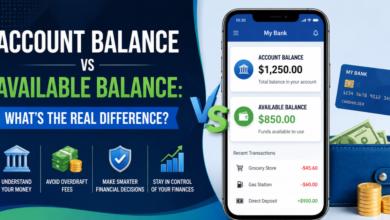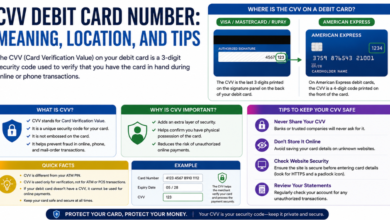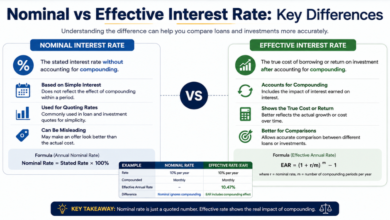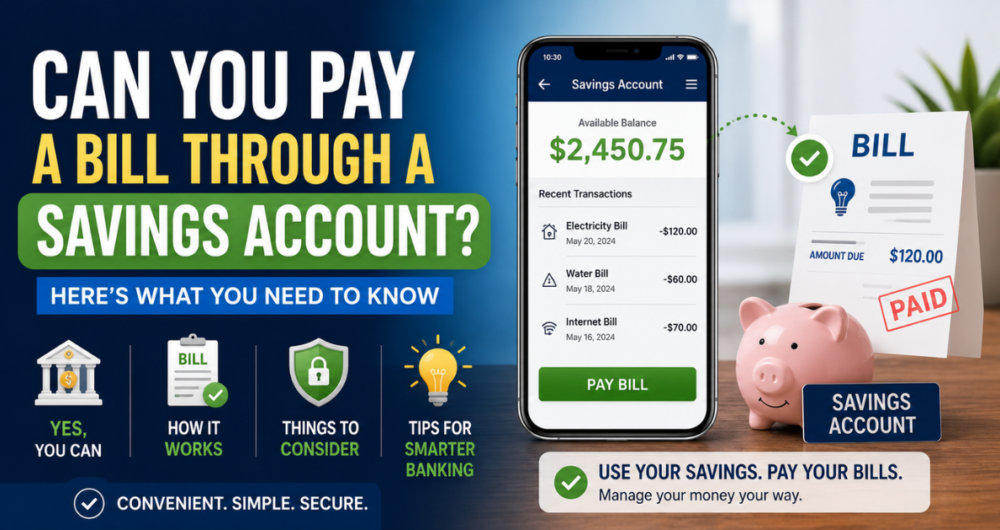
Most of us are taught to keep two bank accounts: a checking account for spending and a savings account for, well, saving. But life doesn’t always cooperate with that tidy setup. Maybe your checking account is running low three days before payday, or maybe you simply keep most of your money in a high-yield savings account because it earns better interest. Either way, you’re left wondering: can you actually pay a bill through a savings account?
The short answer is yes — in most cases, you can pay a bill through a savings account, but it isn’t always simple, and it isn’t always the smartest financial move. This guide walks through exactly how it works, which methods actually get a bill paid, what it could cost you, and when it makes more sense to use a different account entirely.
Can You Pay a Bill Through a Savings Account?
Technically, yes. A savings account holds real money, and that money can be moved to pay a bill — the question is how. Unlike a checking account, most savings accounts don’t come with a debit card or paper checks, so you can’t simply swipe a card or write a check the way you would from checking. Instead, paying a bill through a savings account usually means transferring the money somewhere else first, or using one of a handful of indirect methods.
Savings accounts were designed to hold money you don’t need right away — an emergency fund, a house down payment, a vacation fund — while paying you interest for leaving it alone. Checking accounts, by contrast, were built for frequent, everyday transactions like rent, utilities, and groceries. That difference in purpose is exactly why paying bills through savings takes a few extra steps.
4 Ways to Pay a Bill Through a Savings Account
If you need to pay a bill through a savings account, here are the methods that actually work.
1. Transfer the Money to Checking First
The most common and reliable way to pay a bill through a savings account is to transfer the funds to your checking account, then pay the bill as you normally would — online, by check, or with a debit card. Most banks let you do this instantly through online banking or a mobile app, and if your savings and checking accounts are at the same bank, the transfer often completes within minutes.
2. Use a Debit Card Linked to Savings (If Your Bank Offers One)
A small number of banks and credit unions issue a debit card tied directly to a savings account. If yours does, you can use that card to pay a bill online or in person just like a checking debit card. This is the closest thing to paying a bill directly from savings, but it’s the exception rather than the rule — most traditional and online savings accounts don’t offer this feature.
3. Set Up ACH Bill Pay From Your Savings Account
Many billers — utility companies, insurance providers, landlords, and loan servicers — let you pay by entering your bank’s routing number and your savings account number directly, instead of a debit card. This authorizes the biller to pull the payment straight from your savings account through the ACH network. It’s convenient, but it also means handing your account number to a third party, so it’s worth doing only with billers you trust.
4. Use a Payment App Linked to Your Savings Account
Apps like Zelle, PayPal, Venmo, or your bank’s own bill-pay platform can often be linked to a savings account instead of checking. Once linked, you can send a payment to a landlord, roommate, or biller directly from your savings balance without physically moving the money to checking first.
Step-by-Step: How to Pay a Bill From Your Savings Account Online
If you’ve decided a savings-account payment makes sense for your situation, here’s the general process most banks follow:
- Log in to online banking or your bank’s mobile app.
- Select the savings account you want to pay from.
- Choose “Transfer” or “Pay a Bill,” depending on what your bank’s app offers.
- Enter the biller’s information — either by selecting a saved payee or entering their routing and account number.
- Enter the payment amount and date, then confirm the transaction.
- Save the confirmation number in case you need to dispute an error later.
If your bank doesn’t support direct bill pay from savings, transfer the funds to checking first, then use your checking account’s normal bill-pay tools.
Why Banks Make This Harder Than Paying From Checking
The friction you feel when trying to pay a bill through a savings account isn’t an accident — it comes from how these accounts are regulated and structured.
For decades, a Federal Reserve rule called Regulation D capped certain “convenient” withdrawals and transfers from savings accounts — including bill payments, phone transfers, and preauthorized withdrawals — at six per statement cycle. The rule existed to help banks distinguish reservable “transaction” accounts (checking) from non-reservable “savings deposits,” which fed into the Fed’s broader monetary policy tools.
In April 2020, the Federal Reserve eliminated the mandatory six-transaction cap, and the Fed has confirmed the change is permanent — reserve requirements remain at zero, with no plan to reinstate the limit. That means federal law no longer stops you from making unlimited transfers out of savings.
However, plenty of banks kept the old six-per-month limit anyway, as an internal policy rather than a legal requirement. Go over that limit at a bank that still enforces it, and you could face an excess-withdrawal fee — typically somewhere between $3 and $15 per transaction — or, if it happens repeatedly, your bank may convert your savings account into a checking account or close it altogether. Online-first banks such as Ally, Marcus by Goldman Sachs, Capital One 360, SoFi, and American Express National Bank have dropped these limits entirely, while many traditional brick-and-mortar banks have kept them in place. Before you make a habit of paying bills through savings, it’s worth checking your specific bank’s current withdrawal policy.
The Real Downsides of Paying Bills From Savings
Even where it’s allowed, routinely paying bills through a savings account creates problems that are easy to overlook.
You could rack up fees. As noted above, exceeding your bank’s monthly transaction limit — even if Regulation D no longer requires that limit — can trigger real charges.
It’s harder to actually save. When your savings and spending money live in the same mental (and sometimes literal) bucket, it becomes much easier to dip into money you meant to set aside for emergencies or long-term goals. Paying bills from savings blurs that boundary and makes overspending more likely.
Mistakes are costlier to fix. If you or a biller enters the wrong amount or account number, correcting an error on a checking account is annoying but manageable. If the same mistake drains your savings account, you may lose access to funds you’re counting on for an emergency until the issue is resolved — which can take days or weeks.
You give a third party your account details. Paying a bill by providing your routing and savings account numbers means the biller — or their payment processor — can initiate a withdrawal. That’s standard practice and usually safe with reputable companies, but it does introduce a level of access you don’t have with, say, a one-time debit card swipe.
You lose interest on the money you spend. Savings accounts, especially high-yield ones, exist to grow your balance through interest. Every dollar you route out to pay a recurring bill is a dollar that stops earning for you.
When Paying a Bill From Savings Actually Makes Sense
None of this means you should never touch your savings account to cover a bill. There are a few situations where it’s a reasonable, even smart, choice:
- A true one-off shortfall. If your checking account is temporarily short and a bill is due today, pulling from savings is far better than paying a late fee, missing a payment, or racking up overdraft charges.
- You genuinely keep all your money in one high-yield savings account. Some people intentionally use a single savings account as their main account to maximize interest, then transfer money to a linked checking account only when needed. In that case, occasional transfers to pay bills are simply part of the system, not a warning sign.
- An emergency expense. Savings accounts — particularly your emergency fund — exist precisely for unplanned, necessary expenses. Using it for a surprise medical bill or urgent home repair is exactly what it’s there for.
Better Alternatives to Paying Bills From Savings
If you’re pulling from savings regularly rather than occasionally, it’s worth setting up a system that keeps your accounts doing what they’re best at.
Use a checking account for everyday bills. Checking accounts are built for frequent transactions, usually come fee-free, and support online bill pay, checks, and debit cards without any transaction-count worries.
Set up one automatic monthly transfer. Instead of making several withdrawals from savings throughout the month, schedule a single automatic transfer from savings to checking that covers your typical monthly expenses. This keeps you within any transaction limits your bank still enforces and reduces the temptation to dip into savings impulsively.
Consider a rewards credit card for recurring bills. Paying eligible bills with a credit card can earn cash back or points, as long as you pay the balance in full each month. Carrying a balance instead can lead to high-interest debt and hurt your credit score, so this only makes sense if you’re disciplined about paying it off.
Keep one to two months of expenses in checking. A simple buffer in your checking account — separate from your emergency fund in savings — prevents the kind of shortfall that sends you scrambling to savings in the first place.
Frequently Asked Questions
Can I pay a bill directly from my savings account without transferring it first?
Sometimes. If your bank issues a debit card linked to savings, or if a biller accepts ACH payments using your savings account and routing numbers, you can pay without first moving the money to checking. Otherwise, transferring to checking is the standard route.
Is there a limit on how many bills I can pay from savings each month?
There’s no federal limit anymore — the Federal Reserve removed the mandatory six-transaction cap on savings withdrawals in 2020. However, many banks still enforce their own internal limit, often six transactions per month, and may charge a fee if you exceed it.
Will paying bills from savings hurt my credit score?
Paying the bill itself doesn’t affect your credit score — what matters is whether the payment arrives on time. Using savings to avoid a late payment can actually protect your credit, while missing a payment because you were reluctant to touch savings would hurt it.
Is it better to pay bills from checking or savings?
For regular, recurring bills, checking is almost always the better choice because it’s built for frequent transactions and doesn’t put your interest-earning savings at risk. Savings is best reserved for occasional shortfalls, emergencies, or as part of a deliberate one-account strategy where transfers to checking happen automatically.
The Bottom Line
You can pay a bill through a savings account, and for an occasional shortfall or emergency, it’s a perfectly reasonable option. But because savings accounts aren’t built for frequent transactions — and because many banks still cap monthly withdrawals — using savings as your everyday bill-paying account can lead to fees, lost interest, and a shakier safety net down the road. The smartest approach for most people is to keep bills in checking, keep savings for goals and emergencies, and use a single scheduled transfer to bridge the two when needed.